What we supply
Six categories, manufactured in China. In North America this trade is usually called promotional products; elsewhere it is more often called branded merchandise. The goods are the same.
This page describes what we can supply and how it can be decorated. It is not a shop, and we do not sell online. Quantities, minimum orders and prices are agreed on a quote, because all three depend on the decoration method and the destination.
Different categories are made in different parts of China — caps in one town, socks in another, golf goods in a third. Where the goods are made names the places and explains why.
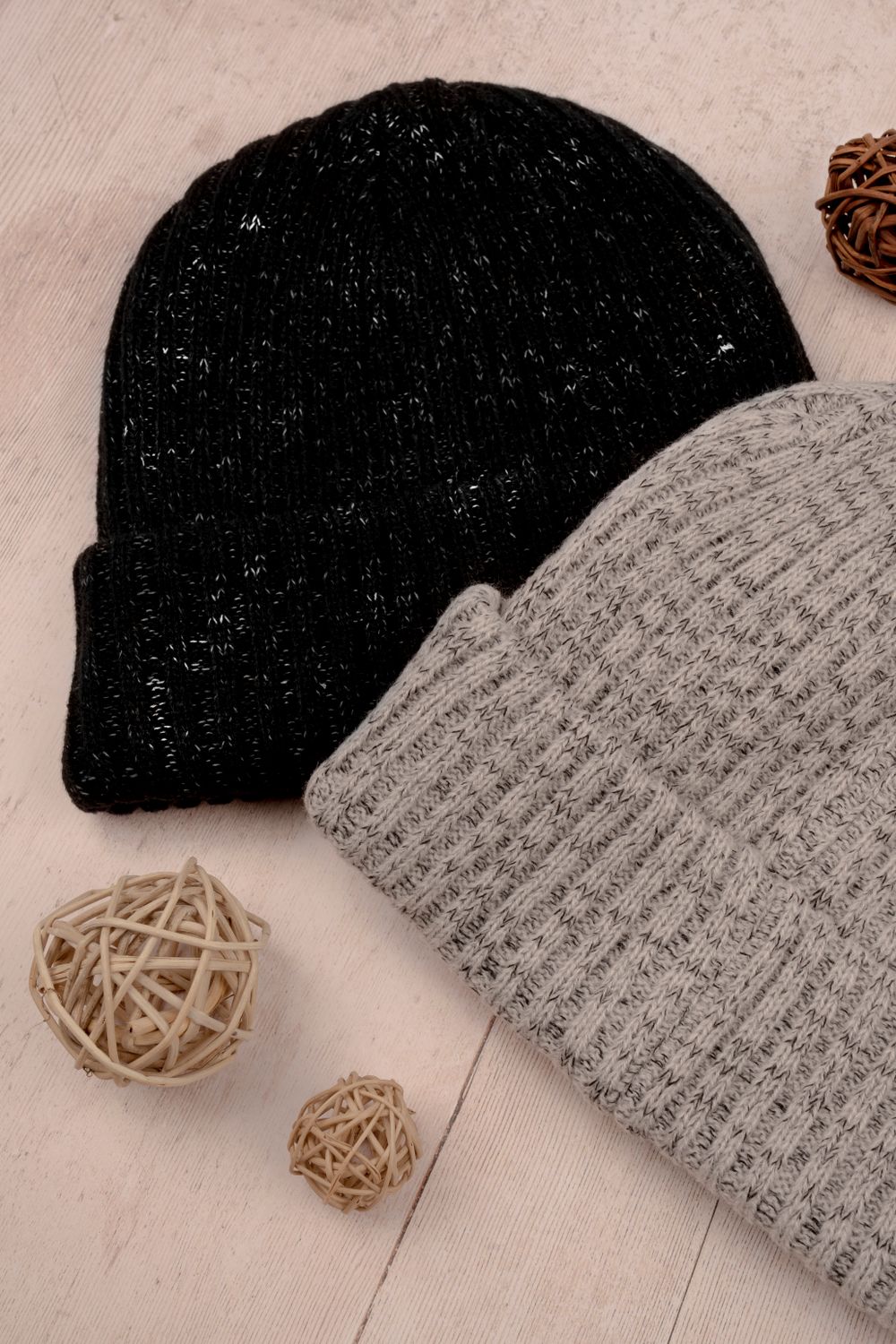
Headwear
Embroidered caps and beanies for shop and studio shelves, and wool or felt sauna hats for thermal operators — the simplest goods in the range to import, and among the most reordered.
- Caps — structured and unstructured
- Beanies and toques
- Wool and felt sauna hats
- Visors and bucket hats
- Usual decoration
- Embroidery, woven patches and woven labels.
In both Canada and the United States, headwear is excluded from the textile labelling rules that apply to garments, which makes caps and beanies unusually straightforward to import. We still state the fabric and weight on every quote — you should not have to take a material on faith because the law does not require a label.
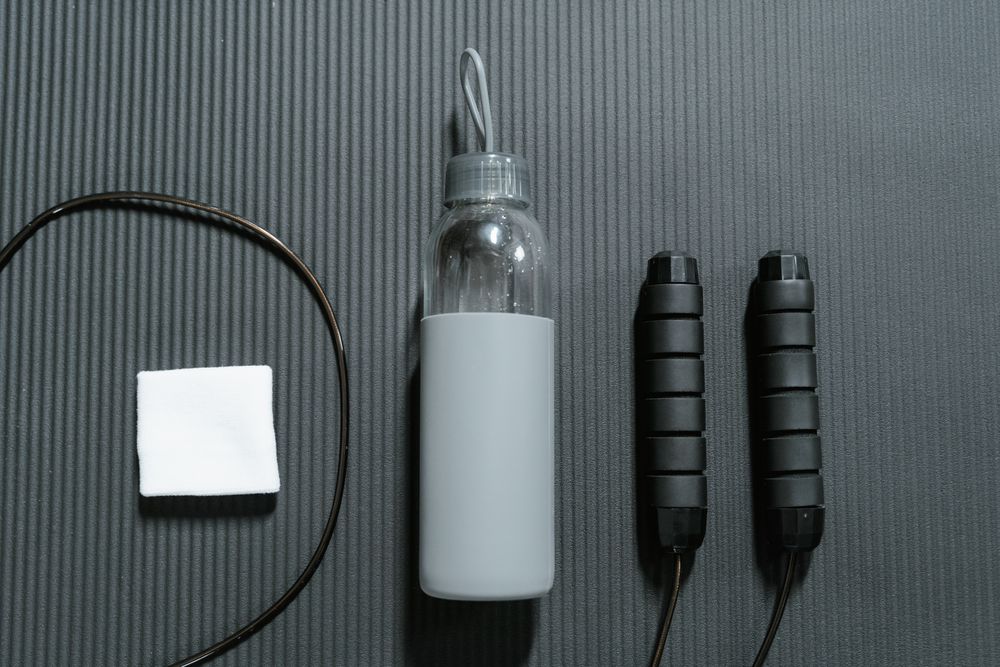
Studio and training goods
The goods a studio sells or hands to members — bands, straps, towels, ropes and bottles, specified by material and build rather than by adjective.
- Resistance bands and mat straps
- Gym towels
- Jump ropes and grip socks
- Insulated bottles and tumblers
- Usual decoration
- Screen print, heat transfer, laser engraving on steel, and woven labels.
Anything that touches food or drink carries food-contact rules in Canada and the US; we identify what applies to a bottle or tumbler at quote stage, not after the goods land. On stainless steel, laser engraving leaves a mark that cannot peel and the finished colour is the metal itself — confirmed on a sample first.
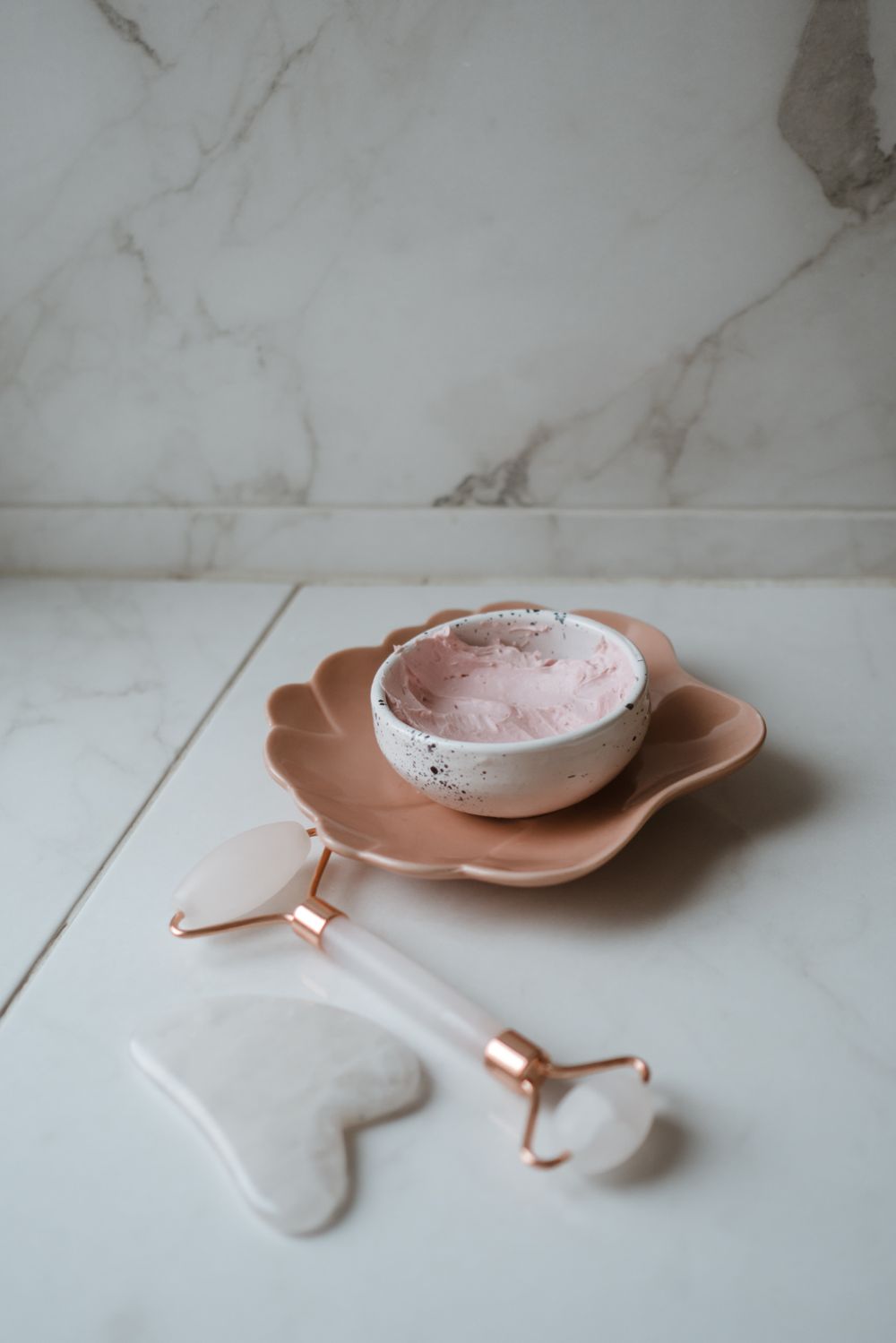
Recovery and wellness tools
Hand tools for recovery and skin care — gua sha, rollers, cupping sets and dry brushes — made to be sold under your own label, with the compliance discipline the category actually needs.
- Gua sha and facial rollers
- Ice rollers and cryo globes
- Cupping sets
- Dry brushes and wood-therapy tools
- Usual decoration
- Laser engraving, pad print, and deboss on cases and pouches.
These are implements, not medical devices — and in Canadian and US law that status is set by what is claimed about them, not by the object itself. We supply claim-free product copy with every order, and we will tell you plainly that printing a therapeutic claim on packaging or a shelf card changes the item’s regulatory classification.
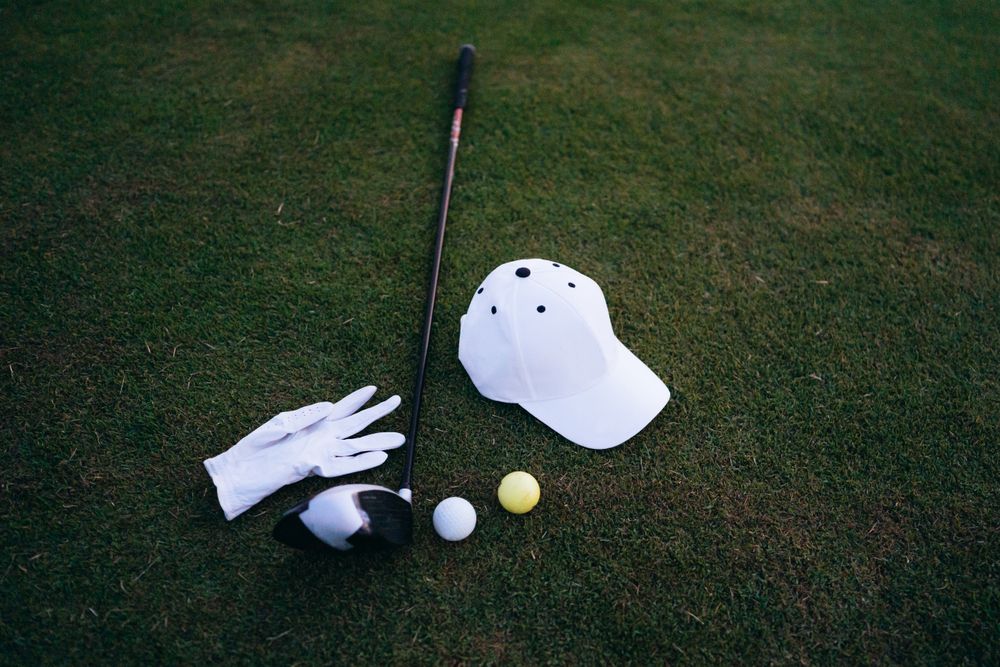
Club and course goods
The pro-shop assortment beyond apparel — headcovers, towels, holders and event gifts, at quantities a single club can order. Golf, padel or pickleball.
- Headcovers and valuables pouches
- Golf towels and umbrellas
- Scorecard and yardage-book holders
- Bag tags, ball tubes and alignment sticks
- Padel and pickleball club goods — caps, court towels and bags
- Decanters and event gifts
- Usual decoration
- Embroidery, deboss on leather, laser engraving and sublimated towels.
On a gift at this level, restraint is the difference between merchandise a member keeps and advertising they leave behind — small marks, tone-on-tone thread and a woven label often outperform a large print, and we will say so on the quote when it applies. Glass and barware carry food-contact rules, handled at quote stage.
Bags
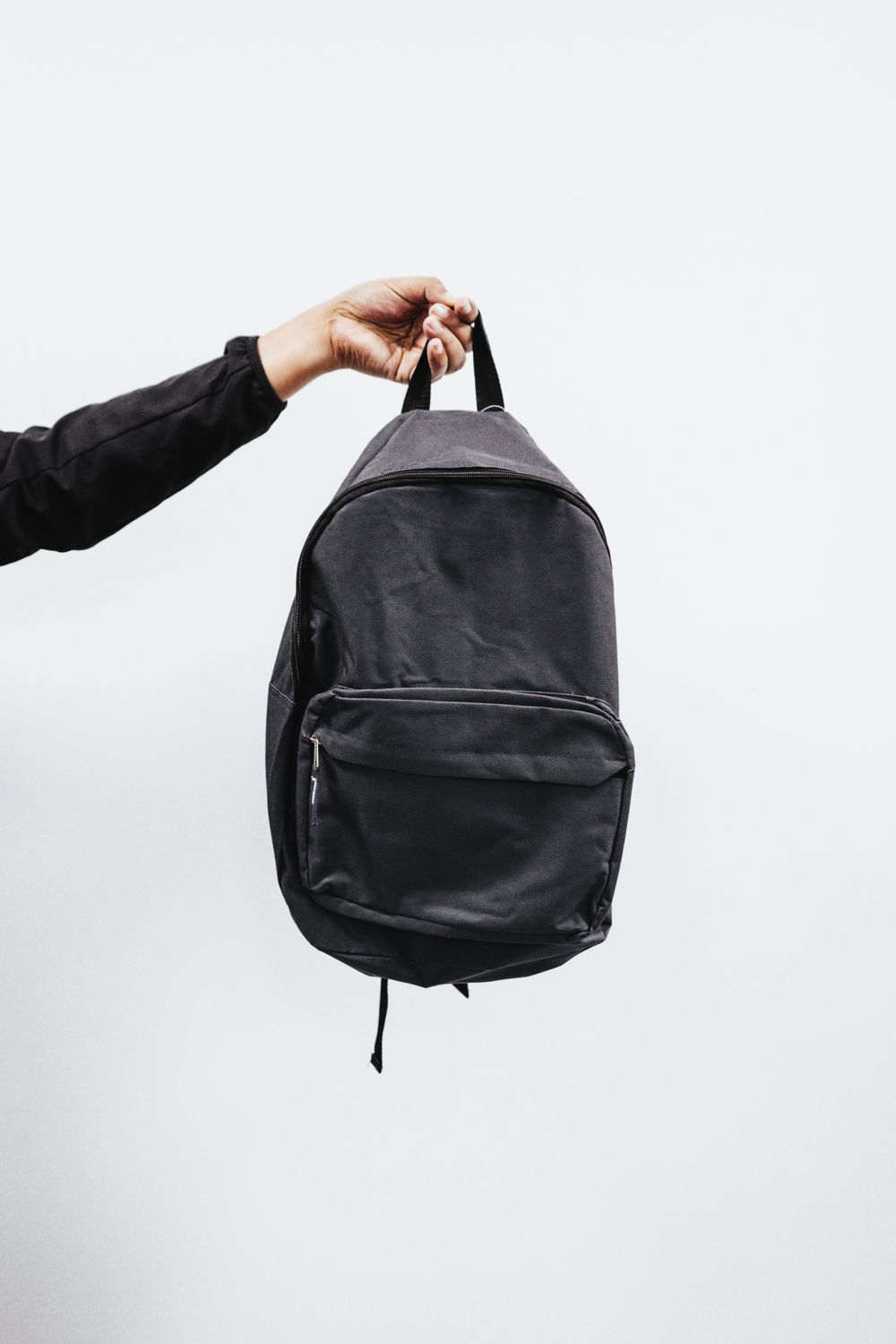
Backpacks, duffels and totes judged on the strap, the stitching and the zip rather than on the panel print.
- Backpacks — including laptop compartments
- Sport duffels and gym bags
- Cotton canvas totes
- Laptop sleeves and wash pouches
- Usual decoration
- Screen print, embroidery, heat transfer and woven labels.
Fabric denier and strap construction are stated on every bag quote. A bag that fails is almost never a printing failure — it is a handle seam or a zip, and the difference costs very little at the specification stage and everything after the goods land.
Apparel
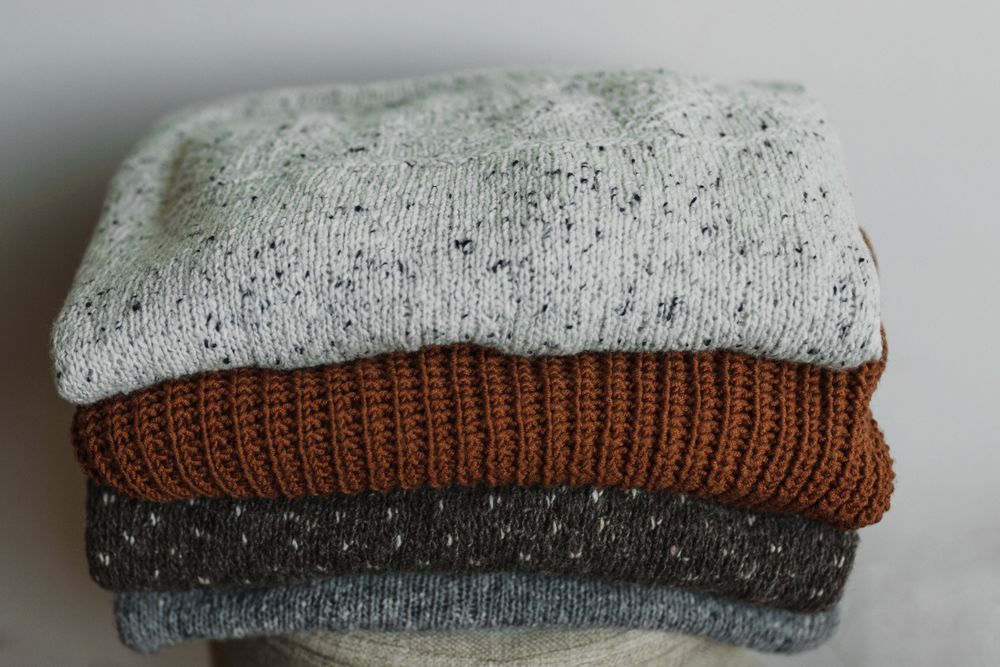
Garments where a stock programme cannot serve — brand-colour matching, non-catalogue fabrics and weights, extended sizing — and the natural addition to an order we already supply.
- Heavyweight hoodies and crewnecks
- Polo shirts, embroidered
- Premium and heavyweight t-shirts
- Robes and towelling, on request
- Usual decoration
- Embroidery, screen print, heat transfer and woven labels.
"Heavyweight" is a marketing word rather than a measurement: the promotional trade applies it at around 305 gsm, where a clothing brand applies it at 400 gsm and above. Heavier garments do exist in that channel and carry a substantial premium, so the number matters more than the word — which is why we state gsm on every quote. For resale programmes we will tell you plainly that pre-orders by size beat estimating a curve, and help you run the pre-order. Organic cotton and recycled polyester versions are available across the range.
Three families of method.
Decoration is what a recipient actually judges. The method changes the cost, the lead time and what the artwork has to look like, so it is worth choosing deliberately rather than accepting the default for the item.
Thread
- Embroidery
- Woven labels
- Applique
Thread carries weight and survives washing. Stitch count and thread colour matching are agreed before production, and the approved sample is what the run is measured against.
- Screen print
- Pad print
- UV print
- Heat transfer
- Dye sublimation
Print is the widest family and the cheapest at volume. Colour count drives the price more than quantity does, so the fastest way to reduce a print cost is to simplify the artwork, not to order more.
Engrave and emboss
- Laser engraving
- Deboss
- Foil
Nothing to peel or scuff, because the mark is in the surface rather than on it. On metal the finished colour is the metal itself, so the result depends on the base material and is confirmed on a sample first.
We do not claim to decorate in-house. When you ask who applies your logo, we will tell you which facility does the work and what its turnaround is if a reprint is needed. A supplier who subcontracts and says so is a normal supplier; a supplier who claims a workshop it does not have is found out on the first order that goes wrong.
What to send us.
Artwork problems are the most common cause of a delay that nobody planned for. Sending the right file at the start removes a step from the schedule.
- A vector logo file
- AI, EPS or a vector PDF. A vector file can be enlarged to any size without losing edge quality. A JPEG or PNG taken from a website usually cannot be used for embroidery or engraving.
- Pantone colour references
- Give the Pantone numbers if you have them. Screen colour and printed colour are not the same thing, and a Pantone reference is the only way to agree a colour before production.
- A one-colour version
- Engraving and deboss have no colour. If your logo relies on colour to be readable, a single-colour version needs to exist before the item is chosen, not after.
- The smallest place it will appear
- A logo with fine lines or small text may hold on a bag and disappear on a pen. Tell us the smallest item in the order and we will say whether the artwork survives at that size.
Ask for a specification, not a catalogue.
Tell us the item and the quantity and we will send the specification, the decoration options, the price and the delivery date together. Samples are available on request.